 iArtist Studios
Getting Married in Spain as a Foreigner: The Complete Guide
Foreigners can absolutely marry in Spain, and most destination couples do it the easy way: a symbolic ceremony in Spain, with the legal paperwork handled quietly at home. If you want the full legal wedding on Spanish soil, it's possible too — it just needs more lead time and paperwork. Here's exactly how both paths work.
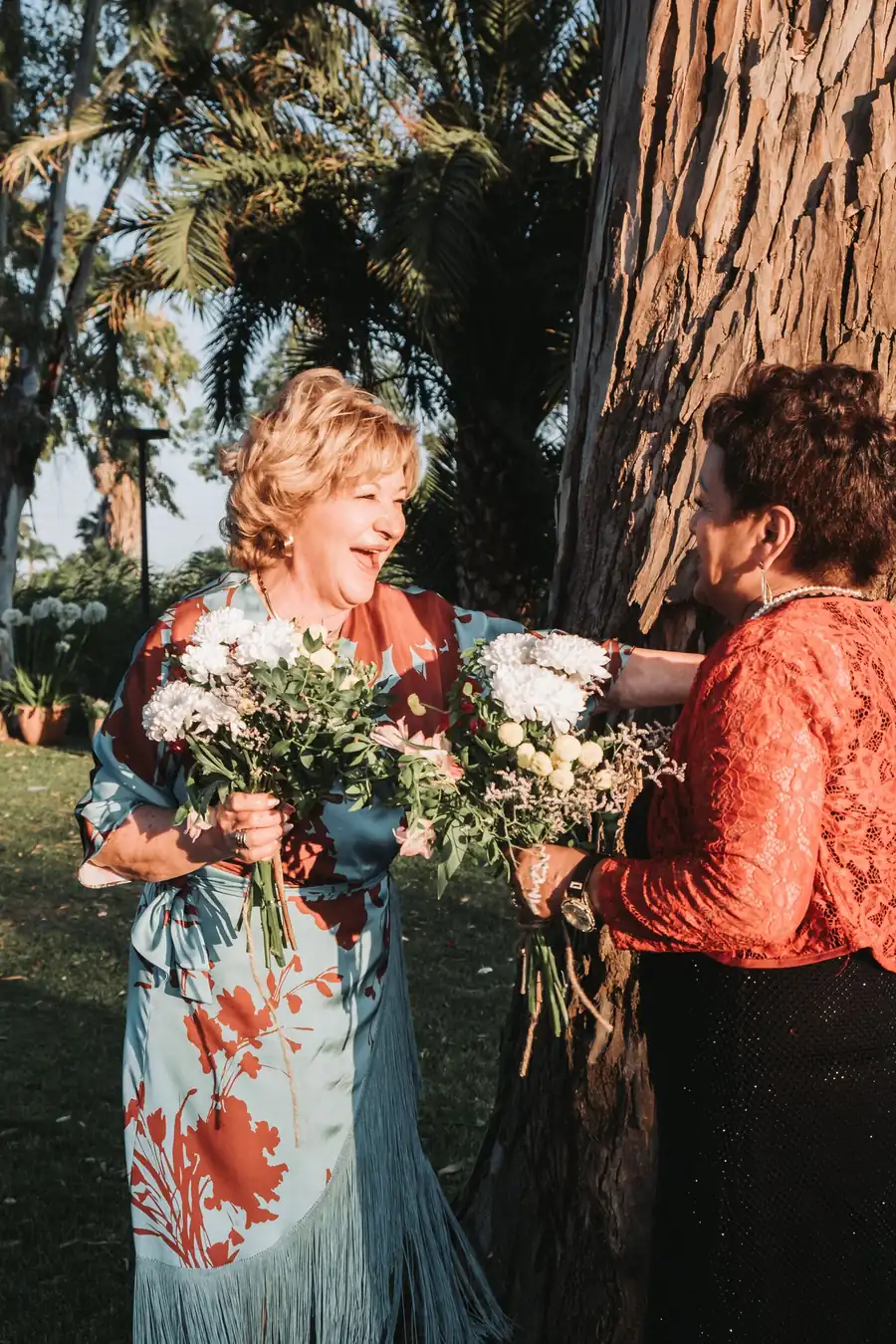
The two paths: symbolic vs legal ceremony
Every foreign couple planning a wedding in Spain faces the same first decision, and it shapes everything else about the planning:
Symbolic ceremony (most couples)
You legally marry in your home country — often a quiet registry appointment weeks before or after — and hold your "real" wedding day in Spain: vows, celebrant, venue, guests, photography, all exactly as you envision it. No Spanish paperwork required.
Legal civil marriage in Spain
The wedding in Spain is the one that counts legally. Requires residency documentation or consulate involvement, certified translations, and 3-6+ months of lead time through the Spanish Civil Registry.
Roughly 8 in 10 destination couples we photograph in Spain choose the symbolic route — it removes all the bureaucratic risk while giving you 100% creative freedom over the ceremony itself.
Symbolic wedding in Spain: how it actually works
A symbolic ceremony has zero legal weight in Spain, which is exactly the point — it means:
- Any celebrant, any format. A friend, a professional celebrant, a religious figure without civil registration — whoever fits your vision.
- No residency or visa requirements. You're a tourist attending your own wedding, legally speaking.
- No paperwork deadline pressure. The legal marriage (at home) can happen whenever suits you — before or after the Spain event.
- Full flexibility on venue and timing. Beach at sunrise, clifftop in Mallorca, a Catalan masía — nothing is restricted by Spanish civil requirements.
This is why symbolic ceremonies dominate destination weddings in Mallorca, Barcelona and the coast — couples want the freedom of the location without importing bureaucracy into it.
Legal civil marriage in Spain: paperwork & timeline
If you want the actual legal marriage to happen in Spain, expect this general process (it varies by nationality and region, so always confirm with your consulate and the local Civil Registry):
- Certificate of no impediment (or equivalent) from your home country, confirming you're free to marry
- Apostille certification of that document under the Hague Convention
- Official sworn translation into Spanish by a certified translator
- Submission to the Spanish Civil Registry (Registro Civil) in the province where you'll marry, with an in-person or consular appointment
- Publication period — a legal waiting window before the marriage can be registered
Realistically: budget 3-6 months minimum, longer if your home country's documents are slow to issue or if you don't speak Spanish and need to coordinate everything remotely. A local wedding planner or specialized lawyer earns their fee here.
Religious ceremonies
Catholic ceremonies can carry full legal effect in Spain, but the church process (canonical file, baptism certificates, a pre-marriage course) runs alongside the civil requirements, not instead of them. If faith is central to your day, start this process even earlier — many churches require 6+ months notice for foreign couples.
Realistic planning timeline
12+ months out
Choose symbolic vs legal path. If legal, start the paperwork chain immediately. Book your venue and photographer — peak season dates in Spain sell out 8-12 months ahead.
6 months out
Confirm celebrant, finalize legal marriage logistics (at home or in Spain), book travel for guests.
1 month out
Final documentation checks, rehearsal details, confirm vendor timeline including photography coverage.
Whichever path you choose, the photography planning is identical — see our guide on how much a wedding photographer costs in Spain to budget accurately, and consider adding film coverage if you want your day to feel as timeless as the decision to marry abroad.
FAQ — marrying in Spain as a foreigner
Can foreigners legally marry in Spain?
Yes. Spain allows civil marriage for foreign nationals, but at least one spouse typically needs residency (empadronamiento) of two years, or you go through your country's consulate in Spain, or you hold a purely symbolic ceremony in Spain and register the legal marriage at home.
What is a symbolic wedding in Spain and why do most foreign couples choose one?
A symbolic ceremony has no legal register — you marry legally in your home country (often quietly, before or after) and hold the "real" wedding, vows and celebration in Spain with a celebrant of your choice, any venue, any format. Most destination couples choose this route because it removes residency requirements and paperwork delays entirely.
How long does the legal paperwork take for a civil wedding in Spain?
Budget 3-6 months minimum. It involves a certificate of no impediment (or equivalent) from your home country, apostille certification, sworn translation into Spanish, and submission to the Civil Registry — timelines vary significantly by nationality and region.
Do I need a wedding planner to get married in Spain as a foreigner?
Not legally required, but highly recommended if you don't speak Spanish or aren't doing a symbolic ceremony. Planners navigate the Civil Registry, translations and appointment system far faster than a couple doing it remotely for the first time.
Is documentation different for religious ceremonies in Spain?
A Catholic religious ceremony can have full legal effect in Spain if properly registered with the Civil Registry beforehand, but the paperwork (canonical file, baptism certificates, pre-marriage course) runs in parallel with — not instead of — the civil requirements.
Planning your Spain wedding?
Whichever path you choose, we photograph destination weddings across Spain on film & digital — tell us your date.
Plan your wedding See our pricing guide